.png)
Long-term Effects of Smile Restoration: What to Expect Over the Years
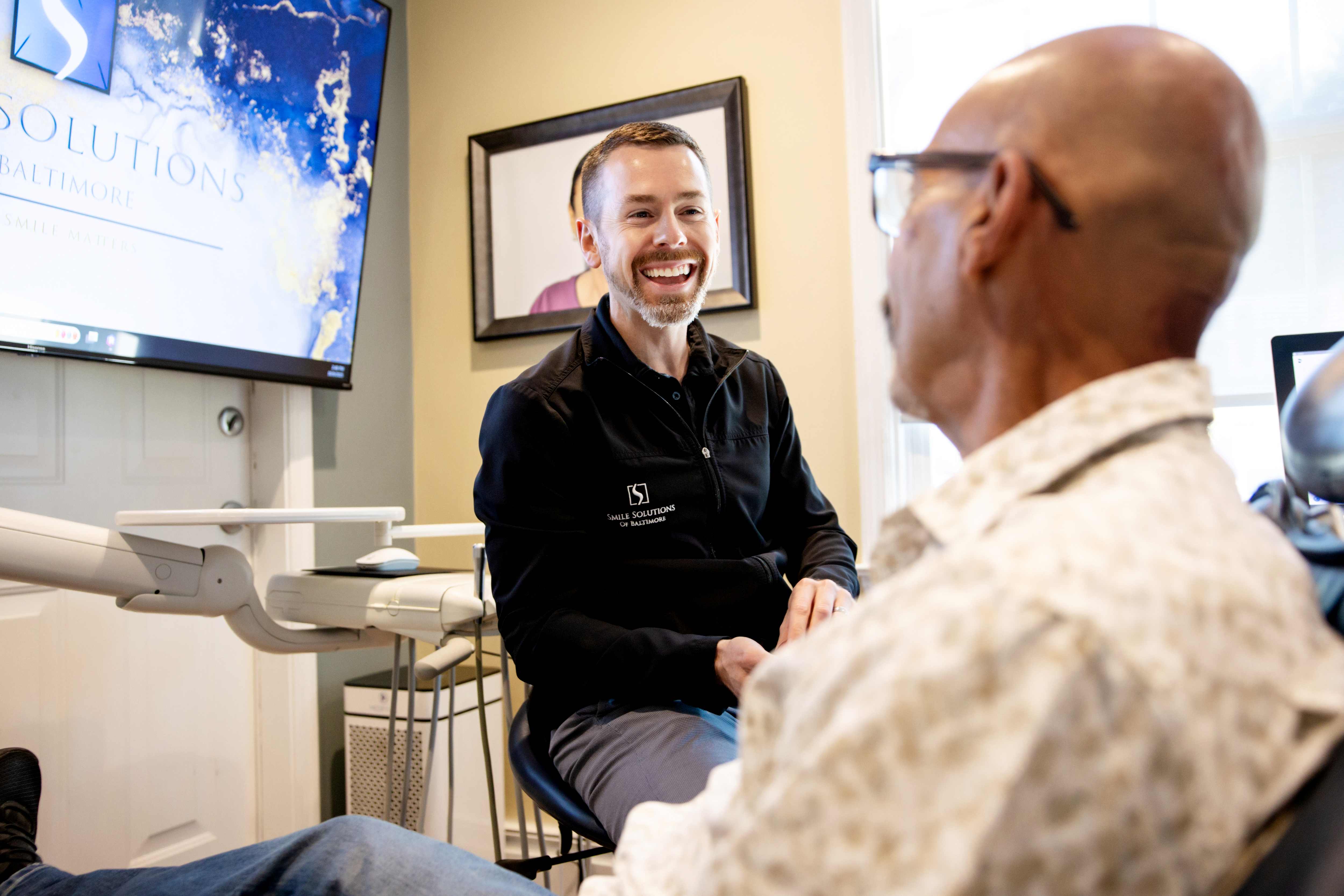
That gleaming smile you see in the mirror today will change over time. Understanding what to expect from your restoration investment—whether veneers, implants, or crowns—helps you plan for maintenance, budget for future care, and set realistic expectations. While no dental work lasts forever, knowing the typical lifespan and aging patterns of different treatments empowers you to make decisions that serve you well for decades.
Smile restoration encompasses various procedures designed to improve both function and appearance of your teeth. From conservative composite bonding to comprehensive full-mouth reconstructions, these treatments address everything from minor chips and discoloration to severe tooth loss and structural damage. The key to successful long-term outcomes lies in understanding durability patterns, maintenance requirements, and the natural evolution of each restoration type over time.
Smile restoration refers to any combination of procedures that improve the aesthetics, function, and health of your teeth and gums. These treatments range from conservative approaches like teeth whitening and composite bonding to more extensive procedures such as porcelain veneers, dental crowns, bridges, and implant-supported restorations. Longevity varies significantly based on materials used, case complexity, and individual patient factors.
Most cosmetic dental work is designed to last many years; however, no dental restoration is truly permanent. Think of restorations like high-quality appliances—they're built to last, but they won't last forever. Factors such as oral hygiene, diet, grinding habits, and regular dental care all influence how long your restoration maintains optimal appearance and function. Our comprehensive dental services support long-term oral health and restoration longevity.
The concept of "permanent" in dentistry typically refers to restorations that aren't removable by the patient, rather than treatments that never need replacement or maintenance. Even the most durable dental work eventually requires attention—whether for routine maintenance, minor repairs, or complete replacement after years of faithful service.
Porcelain veneers rank among the most popular smile restoration options, offering dramatic aesthetic improvements with relatively conservative tooth preparation. High-quality porcelain veneers typically last 10-15 years with proper care, though many patients enjoy their veneers for 20 years or more. Lifespan depends heavily on porcelain quality, bonding precision, and your oral habits.
After a decade, most porcelain veneers remain structurally sound and aesthetically pleasing. Some patients notice minor changes in color matching due to natural aging of surrounding teeth; however, this gradual shift is usually subtle. Replacement timelines for veneers are generally driven by aesthetic preferences rather than functional failure. Some patients choose replacement after 12-15 years to maintain the most natural appearance, while others remain satisfied with their veneers for two decades or longer.
Veneer edges may experience minor chipping over time, particularly in patients who grind their teeth or have habits like nail-biting. These issues can often be polished and refined during routine visits, extending restoration life. When replacement becomes necessary, the process typically involves removing existing veneers and preparing new ones, which may require slightly more tooth preparation than the original treatment.
Several key factors influence how long your porcelain veneers will last:
Dental crowns and bridges represent some of dentistry's most reliable long-term restorations, with success rates exceeding 90% at 10 years and approximately 85% at 15 years. Modern materials such as zirconia and high-quality porcelain-fused-to-metal crowns offer exceptional durability, often lasting 15-20 years or more with proper maintenance.
Failure patterns for crowns and bridges typically involve specific issues that develop over time:
The most common cause of crown failure after 10 years is secondary decay, which occurs when bacteria infiltrate the margin between crown and natural tooth. This emphasizes the importance of excellent oral hygiene and regular professional care.
Bridge longevity depends not only on restoration quality but also on supporting teeth health. A bridge is only as strong as its weakest supporting tooth—like a suspension bridge relying on solid anchor points. Statistics show bridges have slightly lower long-term success rates than individual crowns due to this dependence on multiple teeth.
Advances in dental materials have significantly improved crown longevity. All-ceramic crowns made from materials like zirconia offer excellent durability while providing superior aesthetics. These materials resist wear and fracture exceptionally well, making them ideal for long-term restorations. The precision fit achieved through modern digital dentistry also contributes to improved longevity by ensuring optimal margins and reducing bacterial infiltration risk.
Dental implants represent the gold standard for tooth replacement, offering superior longevity compared to traditional restorative options. While porcelain veneers may last 10-15 years and crowns 15-20 years, dental implants achieve success rates exceeding 95% at 10 years and maintain high success rates even after 20-25 years. The implant fixture itself, when properly integrated, can last a lifetime with appropriate care.
However, it's important to distinguish between the implant fixture and the crown that attaches to it. While the titanium implant may last decades, the crown portion typically requires replacement every 10-15 years, similar to crowns on natural teeth. This replacement is usually straightforward and less invasive than original implant placement, involving only the crown component.
Compared to traditional bridges, implants offer significant long-term advantages:
When a bridge fails, it often necessitates treatment of multiple teeth; implants provide independent support for replacement teeth. Our experienced team can help you explore implant options during your consultation.
All-on-4 dental implants demonstrate impressive long-term success rates, with studies indicating survival rates of 94-98% for the implants themselves over 10 years. The prosthetic component may require maintenance or replacement more frequently—typically every 10-15 years—but the underlying implant structure often remains stable for much longer periods. This makes All-on-4 an excellent long-term solution for patients with extensive tooth loss.
Composite bonding represents the most conservative and cost-effective smile restoration option, but it also has the shortest lifespan among permanent cosmetic treatments. Well-placed composite bonding typically lasts 3-7 years, depending on mouth location, restoration size, and patient habits. Front teeth bonding may last longer due to lower bite forces, while bonding on back teeth experiences more wear and stress.
Composite bonding offers several advantages that offset its shorter lifespan:
When bonding begins showing wear, discoloration, or minor chipping, it can often be refreshed or partially replaced without affecting the underlying tooth structure. This makes it an excellent option for young patients or those seeking temporary improvement while planning more extensive treatment.
Maintenance requirements for composite bonding include avoiding staining substances like coffee, tea, and tobacco, as composite materials are more porous than porcelain. Regular polishing during dental cleanings helps maintain luster and smoothness. Patients should also avoid habits that could chip or damage the bonding, such as biting hard objects or using teeth as tools.
Even the highest-quality dental restorations require ongoing maintenance due to the mouth's dynamic environment. Constant exposure to temperature changes, acidic foods, bacteria, and mechanical forces creates challenges no material can completely withstand indefinitely. Understanding these factors helps patients maintain realistic expectations and commit to necessary care for optimal longevity.
The margin between any restoration and natural tooth represents a potential weak point where bacteria can accumulate. Think of it like the seal around a window—over time, even microscopic gaps can allow infiltration. Regular professional cleanings and examinations allow for early detection and intervention, preventing minor issues from becoming major problems.
Natural aging processes also affect dental restorations through predictable changes:
These natural changes don't indicate restoration failure but rather the need for periodic evaluation and possible adjustment. Our team provides comprehensive care to ensure your restorations remain in optimal condition; you can learn more about our approach to long-term dental health.
Professional maintenance goes beyond routine cleanings to include specific care for dental restorations. This may involve special polishing techniques, margin evaluation, bite analysis, and protective treatments. Regular professional care can often extend restoration life significantly, making the investment in ongoing maintenance highly cost-effective compared to premature replacement.
Understanding the long-term financial implications of smile restoration is crucial for making informed decisions. While the initial investment may seem substantial, calculating cost per year over expected lifespan often reveals excellent value. The key is planning for the complete ownership experience, not just the initial procedure.
Consider these ongoing costs when budgeting for smile restoration:
Planning for these expenses helps avoid financial surprises and ensures you can maintain your investment properly. Many practices offer maintenance plans or financing options to help manage ongoing costs.
It's also important to consider the opportunity cost of delaying treatment. Dental problems often worsen over time, potentially requiring more extensive and expensive treatment later. Early intervention with appropriate smile restoration can prevent more complex issues and ultimately prove more cost-effective than waiting for problems to progress.
Insurance coverage for cosmetic dental work varies significantly, but many procedures that improve function as well as appearance may receive partial coverage. Discussing insurance benefits and payment options with our team helps ensure financial considerations don't prevent you from achieving optimal oral health and aesthetics.
Choosing the right smile restoration approach requires balancing your aesthetic goals, functional needs, longevity expectations, and budget considerations. Temporary solutions like composite bonding may be appropriate for minor concerns or as interim treatments, while permanent options like implants or veneers better serve patients seeking long-term stability and optimal aesthetics.
The expertise of your dental team plays a crucial role in long-term success of any smile restoration. Advanced training, modern technology, and attention to detail in treatment planning and execution significantly impact longevity and satisfaction with results. Our experienced professionals combine artistry with clinical expertise to deliver lasting results.
Consider your lifestyle, oral hygiene habits, and commitment to ongoing maintenance when selecting treatment options. Patients who grind their teeth may benefit more from certain materials or may need protective appliances regardless of restoration type. Those with excellent oral hygiene and regular professional care typically experience longer-lasting results with any restoration type.
The long-term effects of smile restoration extend far beyond physical changes to your teeth. Improved confidence, enhanced professional opportunities, and better oral health often justify the investment many times over. When you consider the comprehensive benefits and plan appropriately for maintenance, smile restoration represents one of the most valuable investments you can make in your overall well-being and quality of life.

